Peptide And Peptoid Synthesis Core The pump keeps accurate circulation prices, commonly in the variety of 0.5 to 2.0 mL/min depending on the technique and column layout. High stress compels the mobile stage with tightly packed bits inside the column, creating sharper splittings up and higher resolution than typical low-pressure chromatography. The HPLC evaluation of tiny particles is most often performed in reversed-phase separation mode. Hydrophilic interaction chromatography (HILIC) and normal-phase chromatography are likewise suitable for separating polar substances, with HILIC being the recommended approach. All these voices coming together, the report that ends up in your hands is not simply a pile of chromatograms. We develop the trustworthiness that allows those numbers take a trip undisputed all the way from your bench to the person's bedside. Researchers, laboratories, and study companies all count on dependable information, which starts with recognizing that the peptide in the vial is specifically what it's supposed to be. That's where HPLC (High-Performance Liquid Chromatography) and MS (Mass Spectrometry) screening been available in. These 2 gold-standard techniques are the backbone of contemporary lab evaluation, ensuring peptides are pure, properly identified, and all set for trustworthy experiments. As a UK Peptides Firm, quality confirmation is not just a claim; it's a system constructed for transparency, scientific accuracy, and count on. At Emirates Peptides, we consist of detailed CoAs with every order, providing our consumers complete transparency regarding the products they receive. Creative Proteomics gives peptide pureness analysis services based upon RP-HPLC, and we have RP-HPLC columns that can meet your numerous speculative requirements. Meanwhile, our knowledgeable group customizes speculative programs for consumers. That's why mass spectrometry is run alongside HPLC-- it verifies the molecular weight matches the target series. Microbiological status of tidy space managed atmospheres are reviewed by checking the society of microbes in the lab working areas.
Do All Peptide Providers Give Coa?
For peptides, impurity assumptions comply with a risk-based FDA technique, as opposed to the small-molecule limits in ICH Q3A/Q3B (which exclude peptides). Peptide-related impurities existing at low-percent levels (e.g., around 0.1% and above) generally require characterization, and higher-level or new contaminations may call for enhanced justification because of prospective immunogenicity issues. FDA guidance and ICH Q2( R1) assistance define needs for analytical technique recognition and pollutant assessment for peptide drug items. Pharma firms seeking to create peptide-based medicines require a solid QC screening program. This is essential because it allows them to satisfy governing expectations and get authorization for peptide medications. Click here for moreAnalytical Services: Hplc And Mass Spectrometry For Peptide Recognition
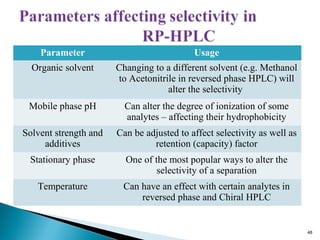
We will select one of the most appropriate elution solvent for you according to your sample attributes, example kind and the solvent you use to dissolve the example. Initially, a little quantity of the peptide is dissolved in a fluid and infused right into the HPLC device. That fluid is then pushed through a slim tube (called a column) under high pressure.Just how much time does an HPLC test take?
Time Required for HPLC EDTA Test Records + Next Steps
When you have booked the examination and the phlebotomist has actually accumulated your blood sample, the example is required to the research laboratory, where the test is performed. It typically takes 24-48 hours for the examination report to be produced.
- In practical COA testimonial, the term normally describes pureness testing, identity screening, and documents testimonial.HPLC actions separation and family member peak area; mass spectrometry actions mass-to-charge behavior that can be used to confirm molecular identification.This overview discusses the three gold-standard logical methods-- HPLC, mass spectrometry, and third-party screening-- and just how researchers can analyze results to verify that their compounds fulfill research-grade high quality requirements.